Lolo Badeh’s Halad for the Souls of the Land
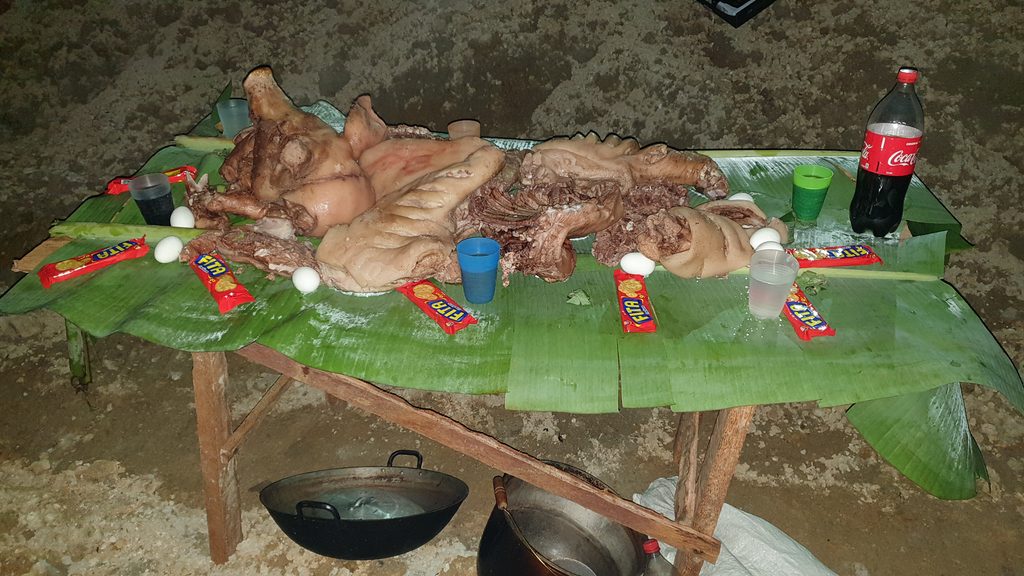
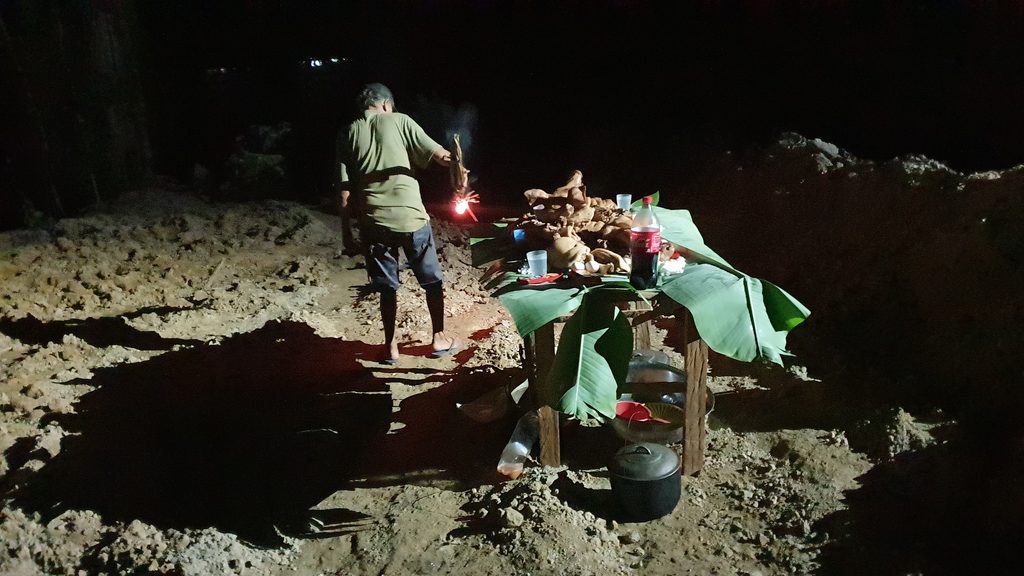
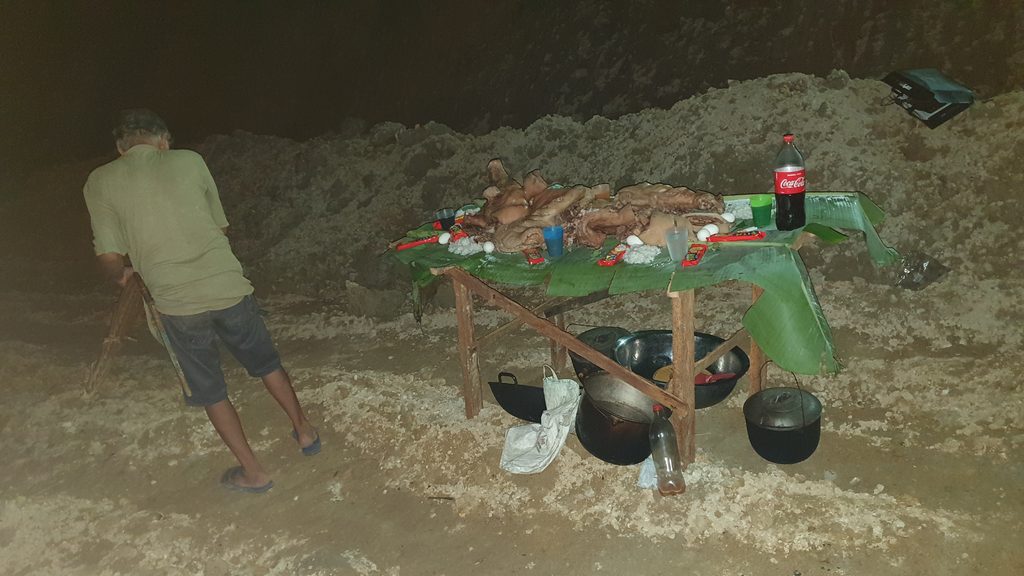
A few months after the traditional land blessing, another important ritual was performed on this same land in Cangmatnog, Siquijor, Siquijor where Holy Paradise Resort now stands.
It was August 8, 2020 (8/8).
This time, my late mentor, Lolo Badeh, performed a traditional Halad.
A few months earlier, my elders had already performed the first land blessing for the Engkantos and other spiritual beings believed to have authority over this place. This second ritual had a different purpose.
According to the teachings passed on to me by my elders, the Halad was offered for the souls of former owners and inhabitants of the land, as well as those believed to have died here or remained spiritually connected to this place.
The beliefs I describe in this post are part of the traditional teachings I received from my elders. Over the years, many of these teachings have also coincided with my own experiences as a healer and practitioner, giving me personal reasons to continue believing in and practicing this tradition.
These photographs remained in my archives for years. Today, I am sharing them to preserve the memory of my mentor and to document one of the traditions he entrusted to me.
THE OFFERING
For this Halad, a pig was prepared as the principal offering.
Lolo Badeh taught me that remembering those who came before us is an act of respect.
Within this tradition, it is believed that when the departed are acknowledged and offered what is considered due to them, peaceful relationships between the living and the dead may be restored.
This is traditionally believed to bring peace to the land and to the people who now live upon it.
The pig was divided into thirteen pieces.
According to the tradition passed on to me, thirteen is considered a fortunate number because it goes beyond twelve—the number traditionally associated with the ordering of time through the months of the year and other recurring cycles.
The ritual was performed on August 8 (8/8).
According to the tradition passed on to me, this date carries special symbolic significance because the number eight is associated with abundance, continuity, and blessing.
As with the earlier land blessing, some traditional materials had already been replaced by modern equivalents.
Coca-Cola took the place of what had traditionally been dark grape juice or wine. Modern cigarettes replaced traditional tobacco, while commercially produced alcoholic drinks replaced older locally prepared beverages.
Although some of the materials changed over time, the tradition itself continued.
WORSHIP AND RESPECT
We believe in God Almighty, Jesus Christ, and the Holy Spirit.
Within the tradition passed on to me, presenting an offering during a Halad does not mean worshipping the departed as God.
Rather, it is understood as an act of remembrance, respect, and reconciliation.
Within this tradition, showing respect to the departed is understood differently from worshipping them.
God Almighty alone is worshipped.
The departed are remembered and honored.
Discernment remains necessary.
MY MEMORIES OF LOLO BADEH
When these photographs were taken, I was still learning.
I watched.
I listened.
I asked questions.
And I learned.
At the time, I did not yet realize that years later I would become responsible for preserving many of the traditions my elders entrusted to me.
Through my own experiences as a healer and practitioner, many of the teachings Lolo Badeh passed on to me eventually took on a deeper meaning.
They were no longer simply lessons I had inherited.
Many of them coincided with what I later encountered and experienced for myself.
Today, Lolo Badeh is no longer with us.
These photographs have become more than documentation of a ritual.
They are also a record of one of my teachers—the man who helped shape my understanding of the traditions I continue to practice today.
When I look at these photographs now, I no longer see only a Halad.
I remember my mentor.
I remember the lessons he passed on to me.
And I remember that before Holy Paradise Resort existed, before my home stood here, and before any development began, my elders first sought to bring peace to this land according to the traditions they had inherited.
Today, Lolo Badeh is gone. But the responsibility he entrusted to me remains.
I continue the traditions he taught me with gratitude, humility, and discernment.
These photographs are more than memories of the past. They are part of the living tradition my elders entrusted to me—and one small way of ensuring that their knowledge and their memory continue to live on.