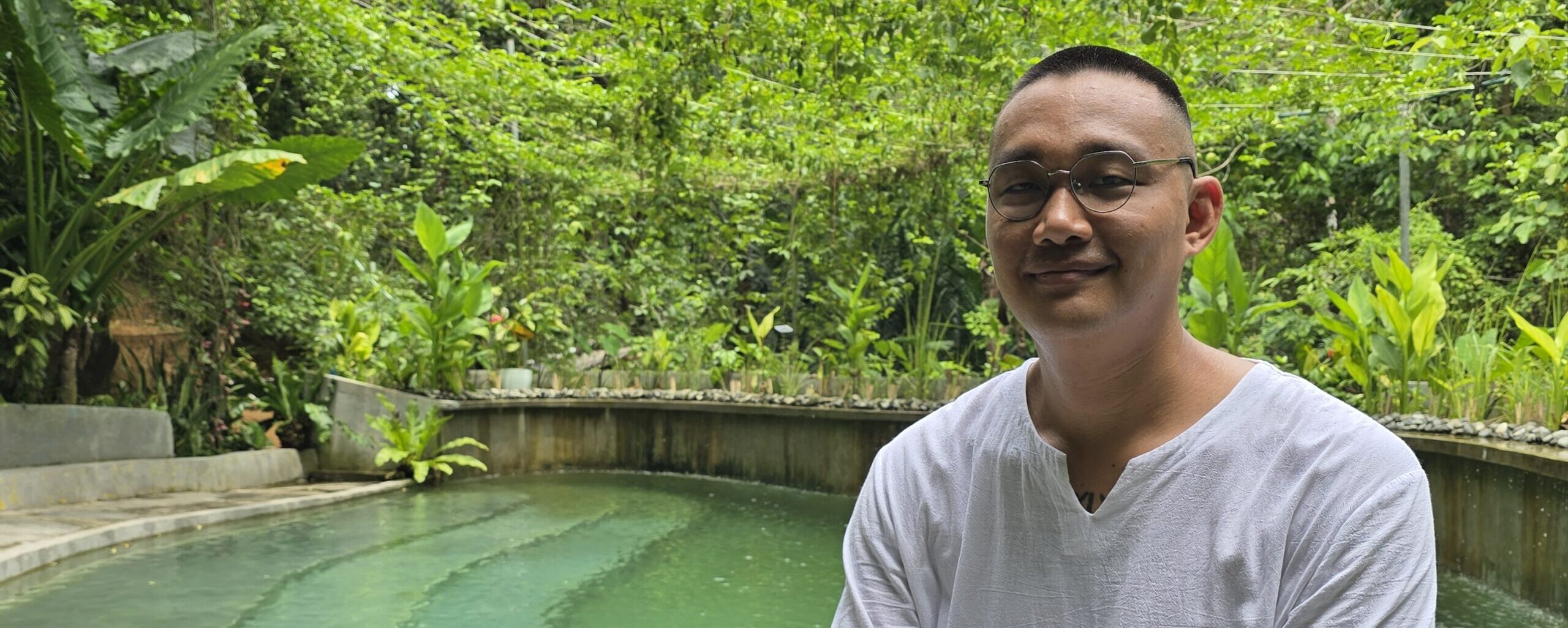
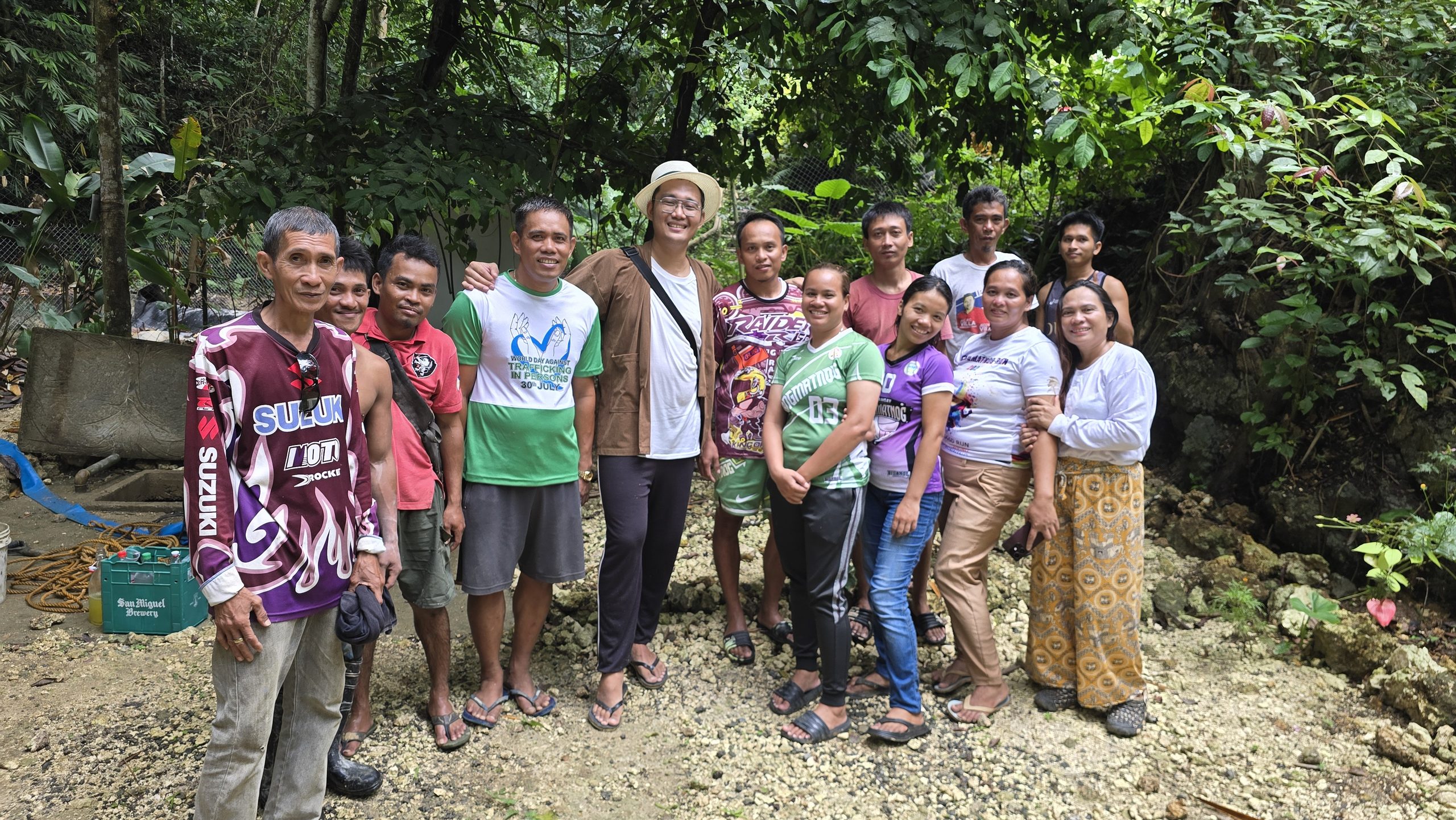
Cangmatnog Barangay Water Meeting by Banana Pool
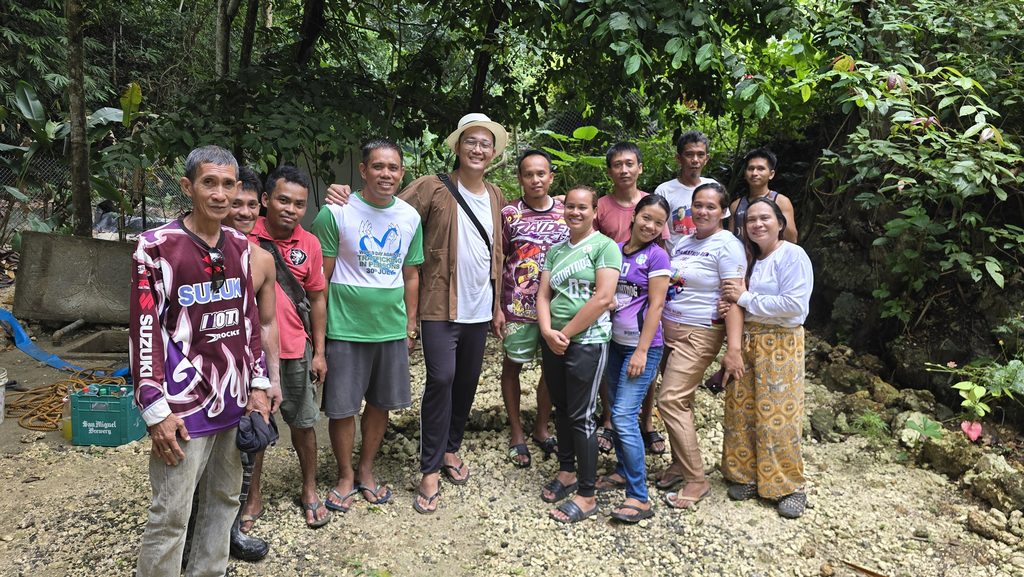
A good morning with our neighbors in Cangmatnog. 
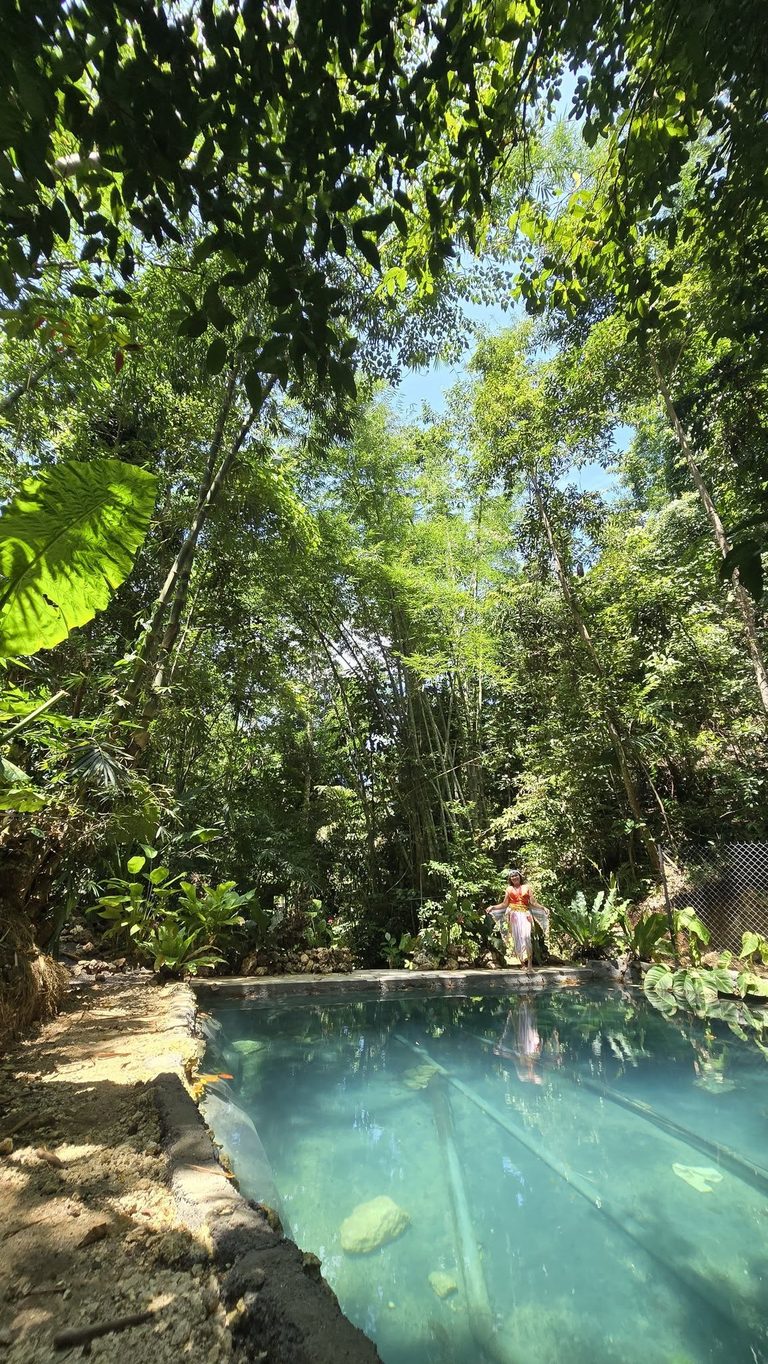
Today we sat down to discuss a real concern regarding the water situation around our Banana Pool and the community laundry area.
We listened to each other, explained what was happening, and worked out a solution together.
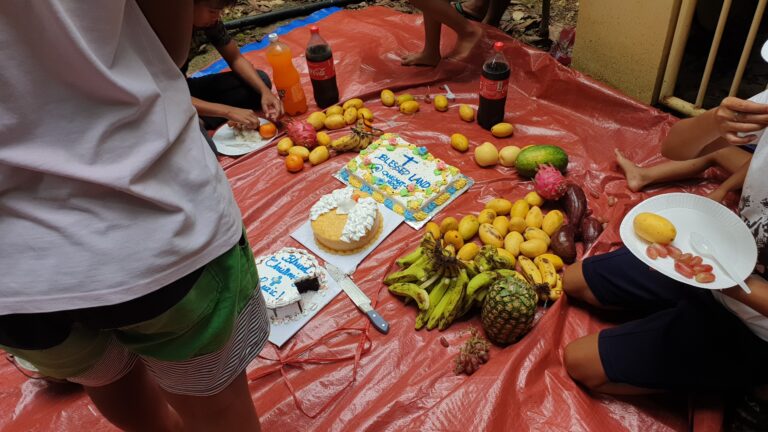
Afterward, we shared some of our house-made passionfruit soda. 
I also asked openly whether there were other concerns we should talk about, including concerns about my work. None regarding my healing practice were raised during our conversation.
I don’t claim that everyone in Cangmatnog agrees with everything I do. No community works that way. But this is also part of my actual experience of living and working here.
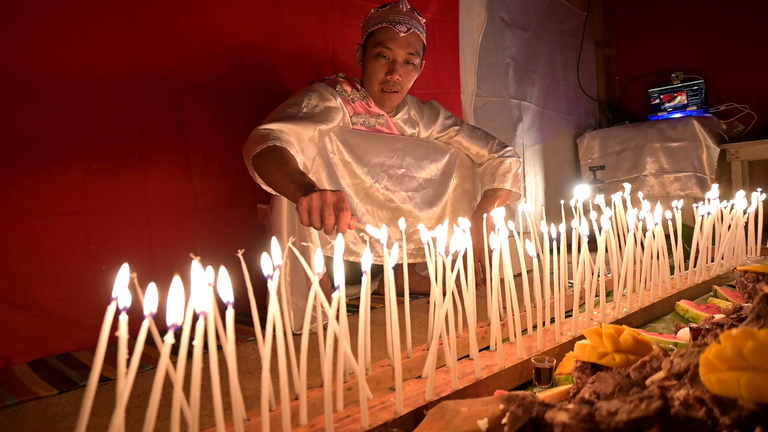
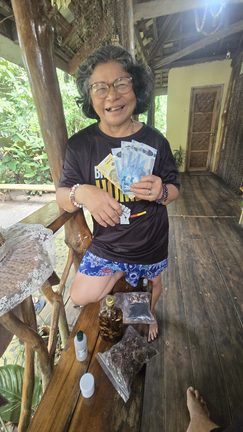
Many of our neighbors have participated in our meditation activities, gatherings and fiestas. I’ve also had opportunities to offer healing without charge and to share training, materials and practical assistance when we have the capacity to do so.
Moments like this remind me why economic sustainability matters to what we’re building.
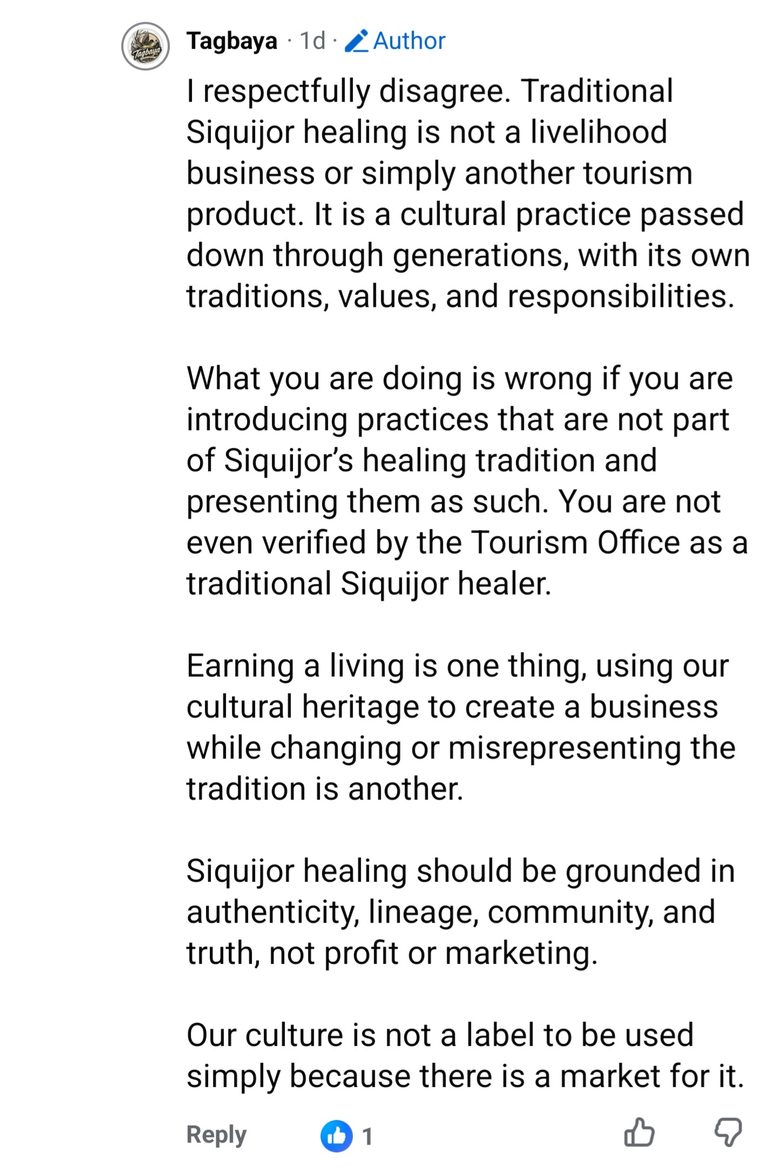
I respect traditional healers who choose to work by donation, ask for very little, or sometimes help without charge. That model has an important place and helps keep traditional healing accessible.
Our model is different.
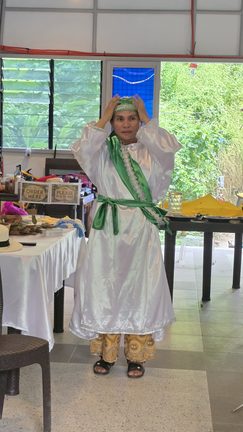
We’re developing a premium and economically sustainable healing model that includes traditional knowledge transmitted to us through direct mentorship.
Charging meaningful prices gives us resources that can be reinvested into better facilities, quality materials, education, documentation, practitioner development and the overall experience we provide.
But just as importantly, having resources gives us greater capacity to give.
We can offer free activities, help neighbors when we’re able, support other traditional practitioners and purchase what they produce, organize fiestas and feed people, and invest in cultural work, nature and regenerative projects that contribute to Siquijor.
Money isn’t the opposite of service. Used responsibly, money increases our capacity to serve.
I don’t believe traditional healers should have to struggle financially in order to demonstrate authenticity. At the same time, premium services don’t automatically make someone a better healer.
They are different models, and they can coexist.
Some practitioners may continue working primarily through donations. Others can build financially sustainable practices. And when the premium side succeeds, some of those resources can flow outward again—to the community, other practitioners, cultural preservation, environmental regeneration and service.
Today was a small example of that larger philosophy.
There was a problem. We sat together. We talked about it. We found a solution. Then we shared a drink afterward.
There will be disagreements as we continue building. That’s normal. What matters is that when genuine concerns arise, we can meet each other, listen, address the actual problem and find ways forward together.
This is also a small example of something we’re developing through Kapwa Living Design—designing around our relationships with Kapwa Tao, Kapwa Kalikasan, and Kapwa Spirito/Kultura.
What we build should strengthen our relationship with people, with nature, and with the cultural and spiritual life around us. I’ll share more about this concept another time.
Ultimately, I don’t want our success to be measured only by what we earn, but by what that success allows us to give back—to our neighbors, other healers, our culture, nature and Siquijor.
That is the kind of prosperity I want to build.
#KapwaLivingDesign#Siquijor#SiquijorHealers#RegenerativeLiving#CommunityBuilding